Transform Your Outdoor Space: Tips From a Professional Landscaper
Transforming an exterior living area demands thoughtful planning and evaluation. An experienced landscape designer underscores the necessity of reviewing the present outdoor features and establishing designated zones for different purposes. Incorporating hardscaping can improve the overall usability of the area. In addition, opting for the ideal plants and lighting solutions can greatly impact the overall atmosphere. Appreciating these aspects is critically important. Which actions are necessary to transform an outdoor concept into a finished space?
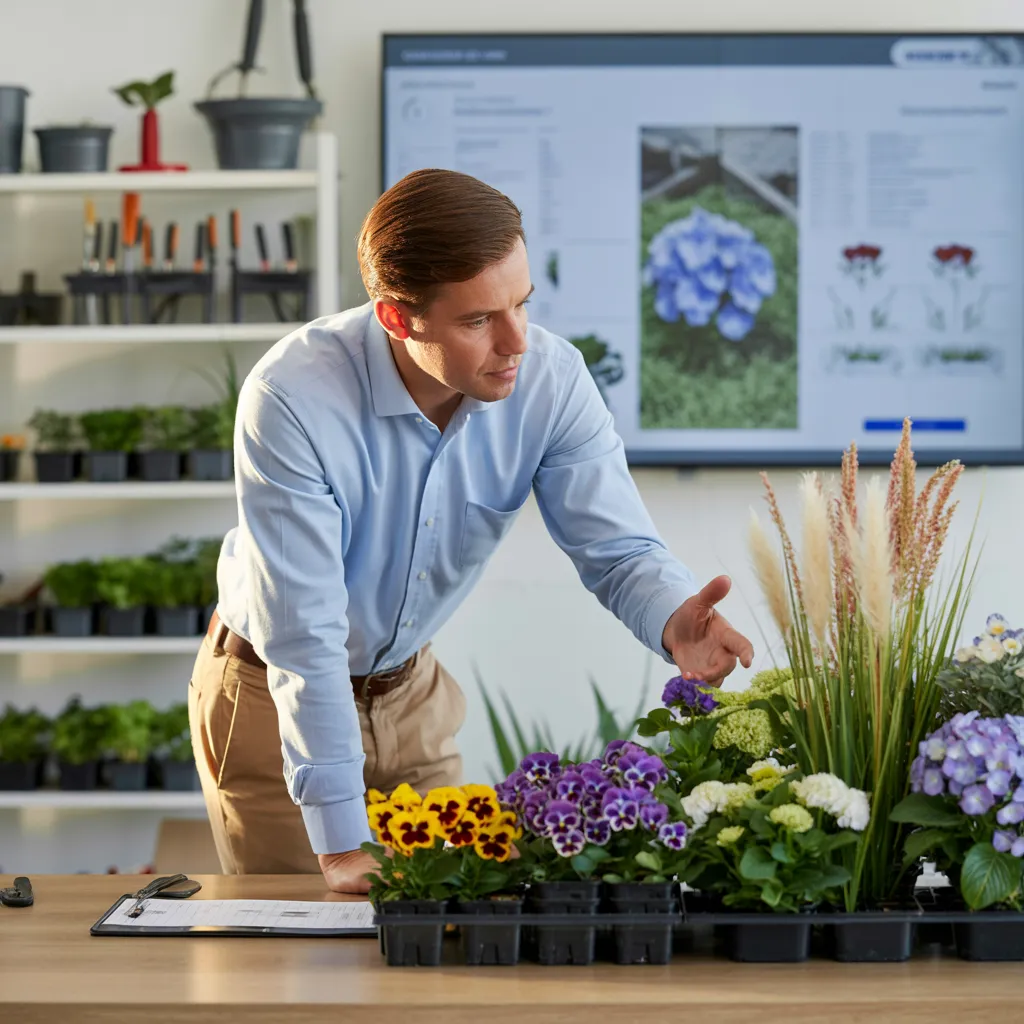
Evaluate Your Outdoor Space: Determine Essential Changes to Implement
How can one effectively evaluate an outdoor space to identify necessary changes? Initially, a detailed practical resource examination of the area is required. This involves assessing the practicality of current elements like walkways, seating areas, and illumination. Studying how these features function in relation to each other can highlight areas for development. Additionally, one should consider the overall condition of plants and landscaping materials, noting areas that may require maintenance or replacement.
Moreover, assessing the space's usability is important. Do dedicated areas exist for relaxation, entertainment, or gardening? Pinpointing neglected zones can highlight opportunities for enhancement. Natural conditions, including sunlight and drainage patterns, should not be overlooked, as they affect plant vitality and the overall experience.
As a final step, obtaining insights from household members or frequent guests can yield useful information. By combining personal observations with external input, a detailed plan can be established for successfully redesigning the exterior space.
Establish Your Vision: Picking the Best Design for Your Outdoor Space
Choosing the perfect style for a outdoor space starts with recognizing individual tastes. Examining a range of landscaping styles can enable homeowners design a place that showcases their personality and meets their needs. By thoughtfully considering these elements, individuals can transform an garden space into a cohesive and inviting haven.
Determine Your Preferences
When establishing the design of a garden, one must consider personal preferences and the desired aesthetic. This approach begins by examining one's own sensibilities, whether gravitating toward sleek modern design, classic rustic beauty, or bold tropical aesthetics. A thoughtful consideration of color palettes, plant types, and landscape features can help shape decisions aligned with a personal vision. Furthermore, important factors including climate, maintenance levels, and available space must be factored into choices. Thinking about the primary function of the garden—whether designed for social gatherings, peaceful retreats, or active cultivation—serves to clarify design preferences. At its core, defining these components builds a cohesive design that not only enhances the outdoor space but also reflects the homeowner's personality and lifestyle, laying the groundwork for an authentically customized garden journey.
Explore Garden Themes
Discovering landscape styles helps property owners to develop a distinct garden appearance that suits their preferences and lifestyle. Numerous design concepts, such as cottage, modern, or Mediterranean, present special characteristics that can be adapted to suit specific desires. A cottage garden, defined by its casual arrangement and rich variety of plants, radiates character and coziness. In contrast, a minimalist garden design highlights sleek design and simplicity, commonly utilizing paved surfaces and modern elements. Mediterranean themes inspire relaxation, incorporating hardy plants and rich, warm tones. While deciding on a design theme, property owners should evaluate key aspects like climate, maintenance requirements, and personal style. At its core, a well-chosen garden theme not only enhances the aesthetic beauty but also creates a harmonious garden setting that expresses the resident's unique sense of self.
Introduce Hardscaping for Structure
To improve the overall aesthetic of an outdoor area, adding hardscaping components delivers fundamental structure and harmony. Hardscaping encompasses the non-living elements like patios, garden paths, retaining walls, and decorative stonework that create defined spaces within the landscape. These features enhance both practicality and visual appeal, channeling movement and defining key focal points.
To illustrate, a well-placed stone pathway can guide visitors across a garden, while a raised patio can function as an outdoor living area, creating a clear separation from the home to the yard. Additionally, incorporating materials like brick, pavers, or natural stone can enhance the appearance and resilience of the space.
Incorporating hardscaping not only reduces maintenance by minimizing grassy areas but also enables innovative designs that showcase personal style. Ultimately, these elements lay the groundwork for a cohesive outdoor setting, integrating naturally with the surrounding landscape.
Choose the Best Plants for Your Climate
When choosing plants for exterior areas, knowledge of the local climate is essential. This understanding facilitates the identification of locally suited plants, which are often more resilient and better adapted to the environment. By selecting the appropriate varieties, horticulturists can improve their garden's durability and aesthetic value.
Analyze Your Local Climate
Recognizing the local weather patterns is fundamental for choosing the appropriate plants, as it significantly impacts their health and sustainability. Elements including temperature variations, ambient humidity, precipitation, and light availability hold significant importance in deciding which plants succeed. To illustrate, zones with scorching summers and moderate winters may favor drought-resistant species, while regions receiving abundant precipitation might support more moisture-loving varieties. Horticulturists should also evaluate seasonal variations and localized climate zones within their outdoor environment, as these can considerably alter how plants develop. By studying local weather patterns precisely, individuals can establish a tailored planting strategy that not only enhances aesthetic appeal but also encourages an enduring and flourishing garden ecosystem. This approach leads to thriving plants and lowered maintenance needs.
Native Plants Benefits
Choosing native plants for a garden corresponds perfectly with the insights gained from evaluating the local climate. These plants are adapted to local conditions, demanding reduced water, fertilizer, and maintenance in contrast with non-native species. They thrive in specific soil types and weather patterns, promoting healthier ecosystems. Moreover, native plants draw in local pollinators, such as bees and butterflies, which are essential for biodiversity. When including native species, homeowners can create sustainable landscapes that support wildlife while enhancing the aesthetic value of their outdoor spaces. Beyond that, these plants often demonstrate resilience against pests and diseases widespread throughout the area, lessening the need for chemical interventions. Ultimately, selecting native plants nurtures a harmonious relationship between the garden and its natural surroundings.
Transform Your Yard With Outdoor Lighting
Establishing the ideal atmosphere with outdoor lighting can convert any environment into an inviting haven. Carefully positioned lighting can accentuate structural details, walkways, and landscaping, elevating the visual appeal. Subtle, warm light is ideal for creating an inviting atmosphere, while hanging lights or outdoor lanterns can bring a charming element to exterior entertaining.
Specialists advise layering light sources to add dimension. As an illustration, combining ambient lighting with task and accent lighting can create a balanced effect. Incorporating motion sensor lighting improves home security while also providing functional illumination.
Furthermore, incorporating dimmers creates flexibility, permitting modifications according to the setting. Solar lights serve as a sustainable solution that demands little upkeep, making them suitable for various outdoor settings. At the end of the day, well-designed outdoor lighting not only boosts safety but also invites relaxation and social interaction, rendering any outdoor space significantly more appealing.
Customize Your Area: Styling Tips to Elevate Your Garden
Exterior areas can be greatly improved by adding personal touches that showcase personal taste. Integrating unique garden ornaments, such as artistic sculptures or chimes, can create focal points that attract notice. Choosing colorful planters or decorative pots infuses lively color, while trellises adorned with climbing plants introduce vertical interest.
Tailored seating zones, showcasing cushions in varied designs and fabrics, invite relaxation and conversation. Outdoor walkways bordered by charming stones or natural pebbles can guide visitors through the space, enhancing the overall experience.
Adding elements like bird feeders or butterfly houses adds charm while also attracting wildlife. Furthermore, featuring seasonal accents, such as harvest gourds or seasonal blossoms, ensures the garden remains vibrant and inviting all year long.
Maintain Your Oasis: Key Care Tips for Lasting Beauty
Tending to an oasis needs consistent care to confirm its beauty endures through the year. Consistent watering is vital, particularly during droughts, making sure that plants get adequate water without turning waterlogged. Applying mulch around plants helps preserve moisture and prevent weed growth, encouraging a more vibrant garden. Cutting back is another essential duty; it fosters vigorous growth and eliminates unhealthy branches. Applying fertilizer should be based on specific plant needs, delivering vital nutrients for vibrant blooms and lush foliage.
Controlling weeds is vital; an active strategy minimizes the struggle for nutrients and space. Regular seasonal checks help detect pests or diseases at an early stage, making it possible to address issues before they escalate. In addition, lawn care, including mowing and aeration, contributes to an overall polished appearance. By following these essential maintenance guidelines, a yard can flourish beautifully, evolving into an enduring haven that captivates and inspires throughout the seasons.
Make Full Use of Your Outdoor Space in the Evening
How can one truly appreciate an outdoor space when night arrives? The right lighting enhances the atmosphere, showcasing landscape details and forming welcoming walkways. Gentle, warm illumination can accentuate trees and shrubs, while fairy lights introduce a magical element. Adding lanterns and candles creates a warm and inviting setting, ideal for gatherings or quiet evenings.
In addition, incorporating fire pits or outdoor heaters enhances usability, offering coziness and warmth during cold evenings. Sound features, such as water features or soft music, are able to enrich the immersive experience, bringing the space to life.
Furniture choices also play a significant role; inviting seating promotes relaxation and conversation. Finally, consider incorporating night-blooming plants to add fragrance and visual interest after dark. Through careful attention to these details, one can craft a captivating outdoor retreat that comes alive in the evening, welcoming discovery and delight well after the sun goes down.
Questions We Are Often Asked
How Do I Budget for a Landscaping Project?
In order to budget for a landscaping project, homeowners should evaluate the desired features, obtain quotes from landscaping experts, consider the costs of materials and labor, and establish a contingency fund for unanticipated expenses during the project.
What Are the Optimal Times of Year for Landscaping?
The optimal times for landscape work are typically early spring and fall. In these seasons, conditions are temperate, enabling plants to develop strong roots ahead of winter cold or summer warmth, promoting healthier growth and optimal outcomes for your landscaping endeavors.
Should I Do Landscaping Myself or Hire a Professional?
People may decide to take on landscaping independently or hire a professional, according to their expertise, schedule, and scope of work. Considering one's abilities and expected results generally guides the ideal path forward for completing landscaping work.
How Can I Select the Best Landscaper for My Project?
To identify the best landscaping professional, individuals should evaluate portfolios, consult references, evaluate experience, and ensure alignment with their project vision. Additionally, obtaining multiple quotes can be useful in gauging pricing and available services for sound decision-making.
Which Common Landscaping Mistakes Should I Watch Out For?
Typical landscaping mistakes consist of excessive planting, poor soil management, dismissing local climate conditions, overlooking upkeep requirements, and not considering future growth. Thorough research and careful planning can prevent these issues and lead to a thriving landscape project.